


The common problems with manual pumps include the following:
1. Pump body oil leakage: This is usually caused by aging, wear or damage to the seals, or damage to the sealing surface or loose fastening screws. The solution is to replace the seal or sealing surface and strengthen the tightening of the screws
2.No oil in the pump body: It may be caused by insufficient oil level in the fuel tank, blocked air inlet, or blocked oil circuit. The solution is to check the oil level in the tank. If the oil level is insufficient, an appropriate amount of hydraulic oil needs to be added; If the oil level is sufficient, check if the air inlet and oil circuit are blocked. If there is any blockage, it needs to be cleaned in a timely manner
3.Unstable pressure: It may be caused by damaged seals inside the pump body or impurities mixed in the oil circuit. The solution is to clean the oil circuit and replace the seals
4.Insufficient pressure: It may be caused by aging or damage to the internal seals of the pump body, impurities mixed in the oil circuit, improper adjustment of the pump body seals, and other reasons. The solution is to replace the seals, clean the oil circuit, or adjust the pump body seals
5.Difficulty in moving the operating handle: This may be due to aging or damage to the internal seals of the pump, or impurities mixed into the oil circuit. The solution is to replace the seal or clean the oil circuit
6.Excessive noise: It may be caused by aging or damage to the internal seals of the pump body, or impurities mixed in the oil circuit. The solution is to replace the seals, clean the oil circuit, or add sound-absorbing materials
Maintenance and upkeep methods for manual pumps:
1. Regularly check the various indicators of the manual pump and carry out maintenance and upkeep in a timely manner.
2.Operate according to the prescribed operating procedures and do not overload.
3.Store in a dry and ventilated environment, avoiding direct sunlight.
4.Regularly replace hydraulic oil to avoid poor oil quality affecting the service life of the pump.
Contact


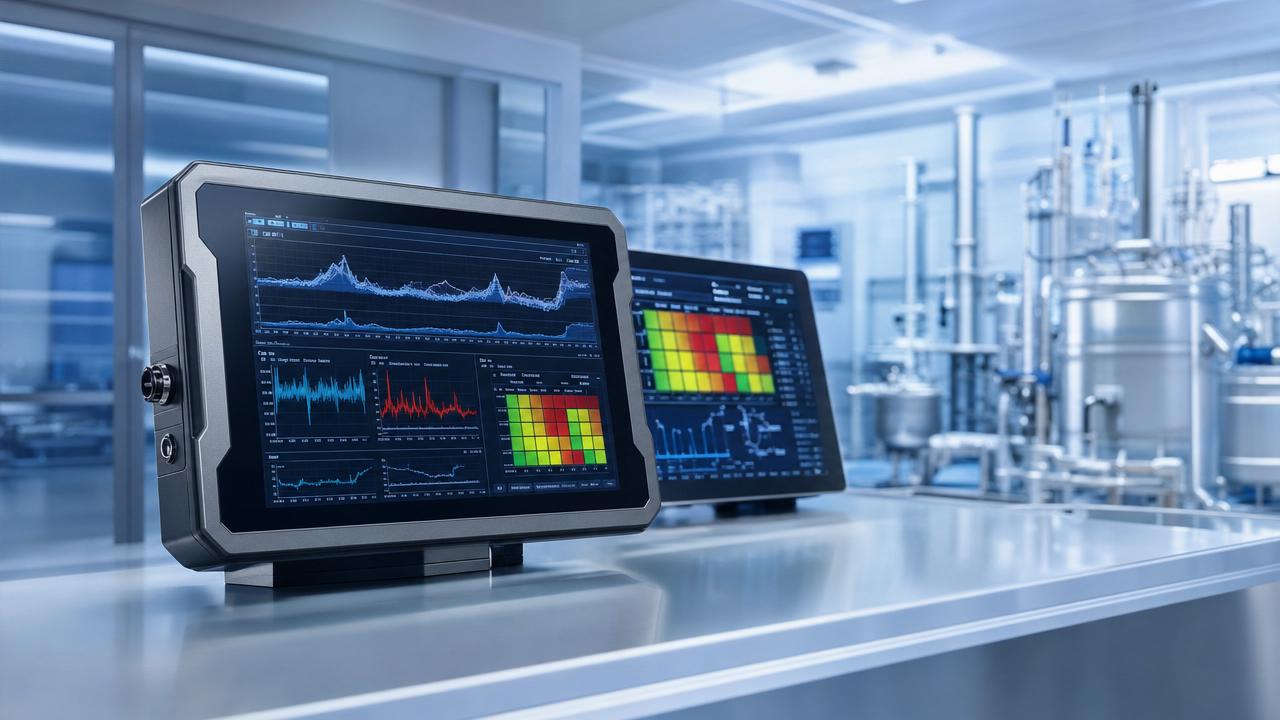
 GWM Patents AI-Driven Multi-Screen Quality Switching for Vehicle HMIsGWM's AI-driven multi-screen quality switching patent unlocks adaptive display tech for industrial HMIs, DCS stations & explosion-proof touchscreens — watch for certified deployments.
 US-China Tariffs Unified at 10% for InstrumentsUS-China tariffs on instruments unified at 10%—boosting cost efficiency for industrial process instruments, environmental monitoring equipment & energy meters. Act now.
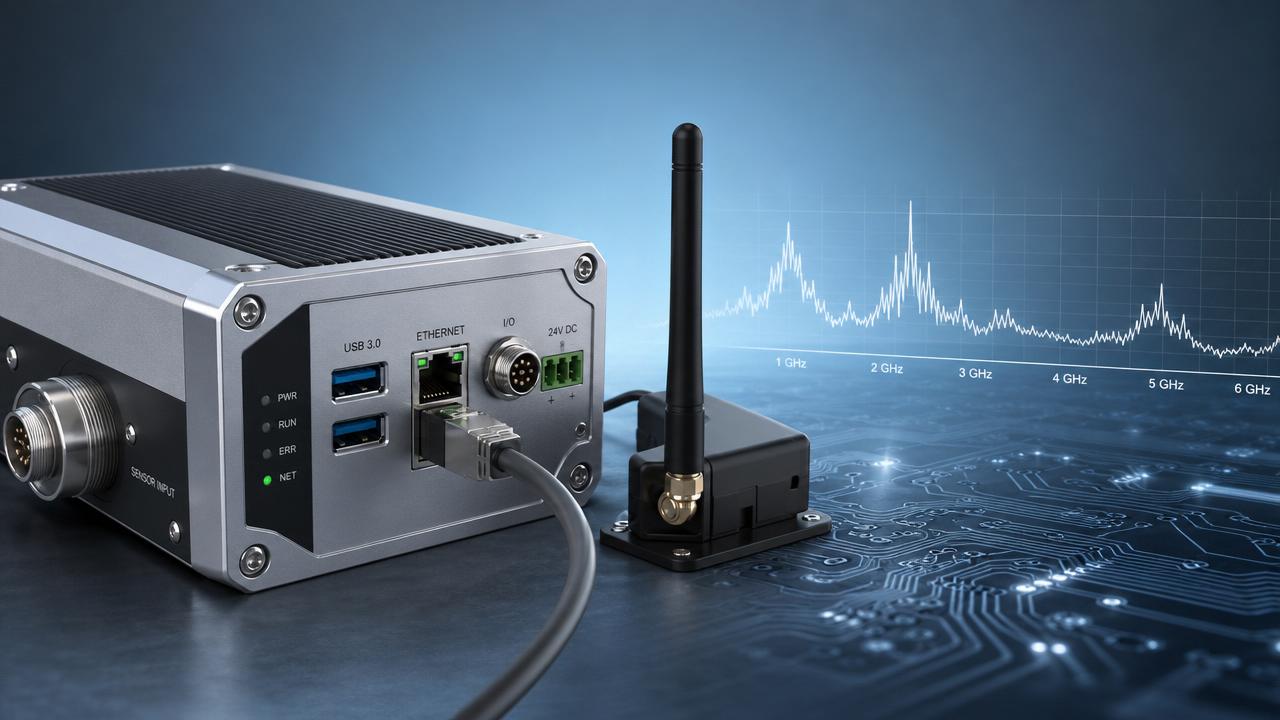
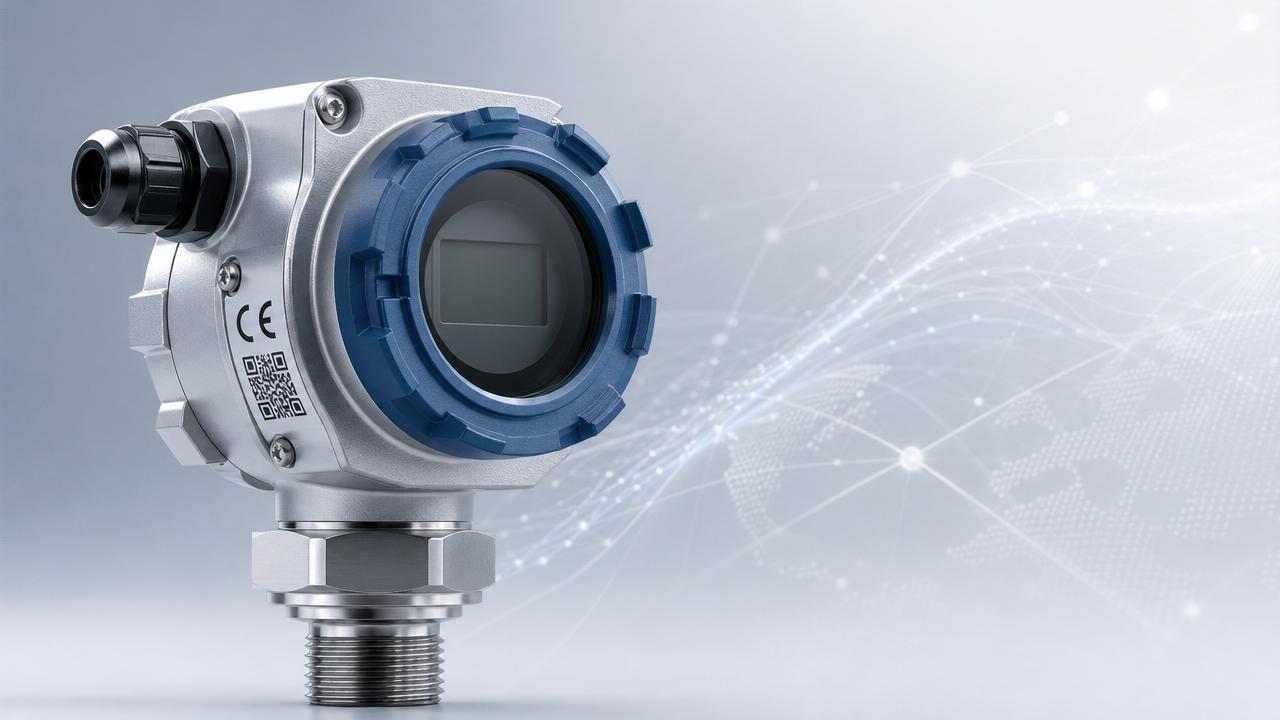
 EN 61000-6-4:2026 Enters Force for Industrial EMC ComplianceEN 61000-6-4:2026 is now mandatory for industrial EMC compliance — stricter 1–6 GHz emissions & dynamic AI-device testing. Act now to avoid EU market delays.
 New China Export Rules for Instruments Effective May 2026New China export rules for instruments require CNAS-issued CE/UKCA reports by May 2026 — ensure compliance now to avoid EU/UK shipment delays.
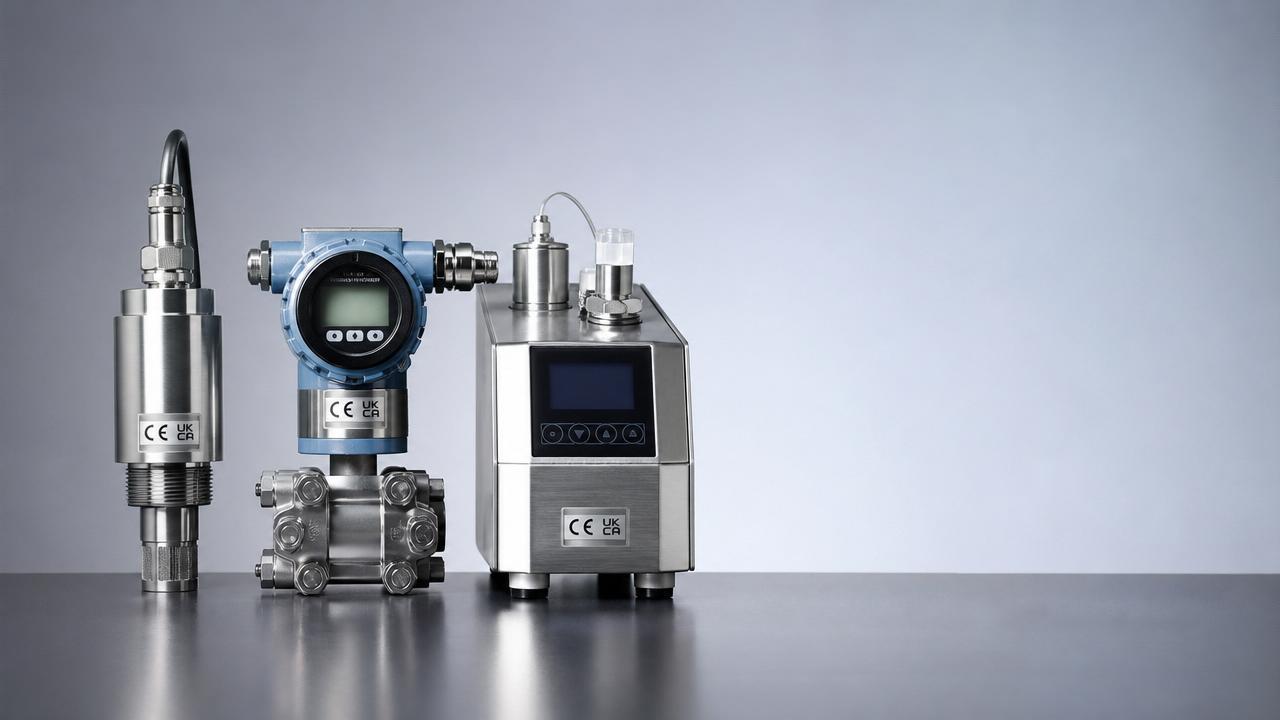
 EU CE-EPD Digital Compliance Label Mandatory from May 2026EU CE-EPD digital compliance label becomes mandatory for instrumentation exports from May 2026 — discover how Chinese OEMs, suppliers & EMS providers can prepare now.
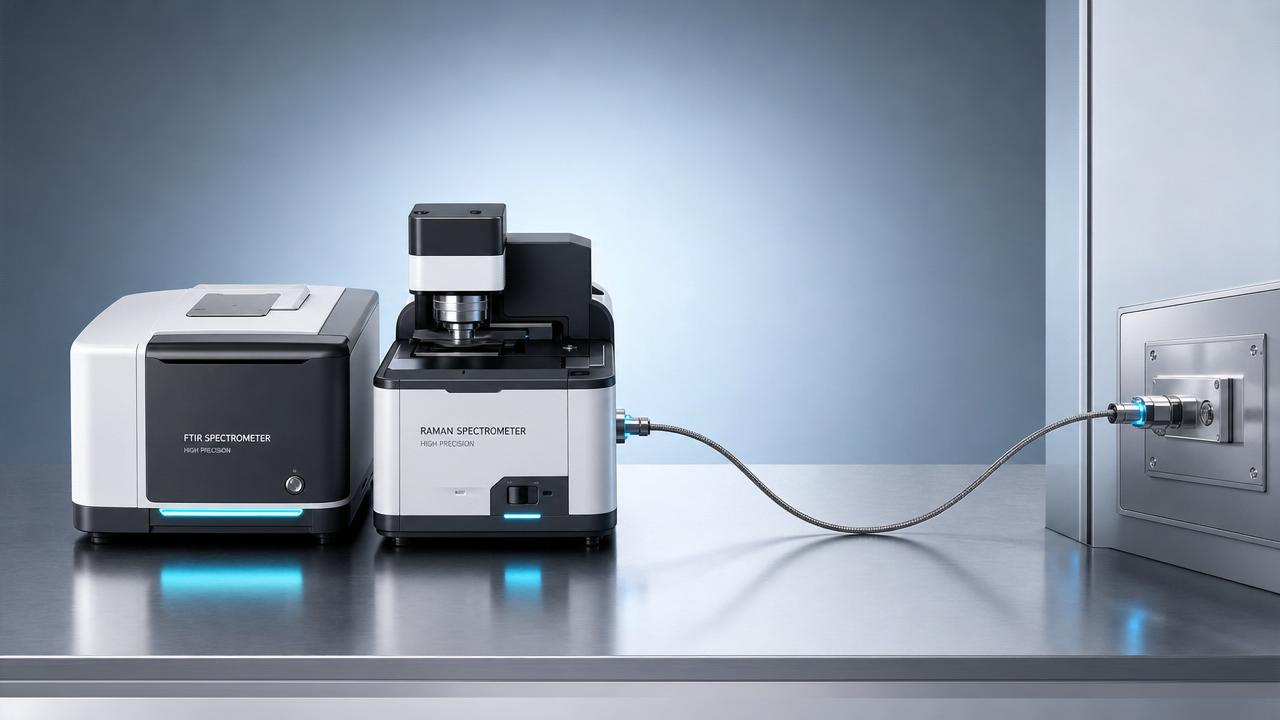
 GCC AI Customs v3.0 Raises Spectrometer Inspection Rate by 40%GCC AI Customs v3.0 boosts spectrometer inspection rates by 40%—key for infrared & Raman instruments (HS 9027.50/9027.80). Act now to ensure CE+GCC compliance & Arabic documentation.
Chat Online